
Creating a digital product tailored for fabricators in the manufacturing sector requires a deep understanding of industry workflows and challenges. Such a product must streamline processes like inventory management, production scheduling, and quality control to enhance efficiency and minimize errors. Incorporating user-friendly interfaces and real-time data analytics can empower fabricators to make informed decisions quickly. Discover detailed strategies and practical solutions in the full article.
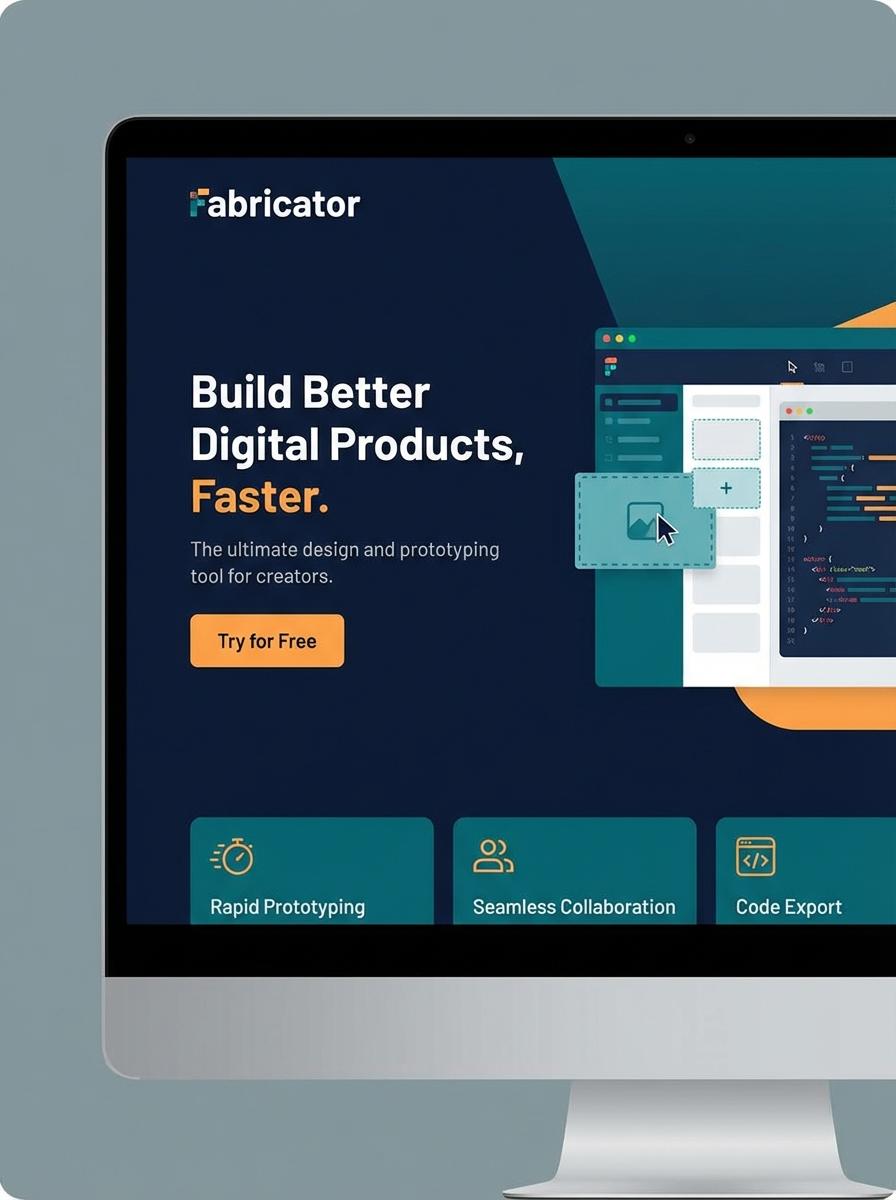
Illustration: Landing page for digital product for Fabricator
CAD Drawing Templates (e.g., DXF, DWG files)
Creating CAD Drawing Templates such as DXF and DWG files requires precise dimensioning and standardized layer management to ensure compatibility with fabrication machinery. These templates must integrate common fabrication details like weld symbols and material specifications for streamlined project execution. Clear annotation and scalable vector formats enhance usability for fabricators working in diverse manufacturing environments.
- Skill needed: Proficiency in CAD software with emphasis on layer organization and symbol libraries.
- Product requirement: Templates should support industry-standard file formats (DXF, DWG) with customizable parameters.
- Specification: Include predefined fabrication details such as cut lines, bend lines, and material properties for immediate use.
CNC Machine Programming Codes (e.g., G-code files)
CNC Machine Programming Codes such as G-code files are essential for fabricators to accurately control machining operations. These codes translate design specifications into precise instructions for CNC machines, ensuring materials are cut, drilled, or shaped efficiently. Mastery of G-code enhances precision, reduces errors, and optimizes production workflows.
- Skill needed: Proficiency in interpreting CAD/CAM drawings and writing custom G-code commands.
- Product requirement: Support for multiple CNC machine configurations and standard G-code dialects.
- Specification: Real-time simulation and error detection capabilities to validate programming accuracy.
Standard Operating Procedure Manuals (PDF, DOC)
Creating Standard Operating Procedure Manuals for fabricators ensures consistency and safety in workshop processes. These manuals should detail step-by-step instructions for machinery operation, material handling, and quality control. Clear documentation minimizes errors and supports regulatory compliance.
- Skill needed: Proficiency in technical writing and understanding of metal fabrication techniques.
- Product requirement: Manuals must be available in both PDF and DOC formats for easy access and editing.
- Specification: Include diagrams, safety guidelines, and workflow charts tailored to fabricator equipment and materials.
Material Costing and Estimation Spreadsheets (Excel)
Fabricators require accurate Material Costing and Estimation Spreadsheets to manage project budgets efficiently. These spreadsheets enable precise tracking of raw material usage, pricing, and waste, ensuring cost control and profitability. Excel's versatile formulas and data organization simplify complex estimations and revisions.
- Skill Needed: Proficiency in Excel functions such as VLOOKUP, pivot tables, and conditional formatting.
- Product Requirement: Dynamic templates supporting various material types, quantities, and cost inputs.
- Specification: Ability to generate detailed cost summaries and predictive budgeting reports automatically.
Equipment Maintenance Checklists (PDF, Excel)
Equipment Maintenance Checklists for fabricators are essential tools designed to ensure machinery operates efficiently and safely. These checklists, available in PDF and Excel formats, help track routine inspections, repairs, and service dates, reducing downtime and extending equipment lifespan. Fabricators can customize these templates to align with specific operational requirements and compliance standards.
- Skill needed: familiarity with fabrication machinery and maintenance protocols.
- Product requirement: editable formats in PDF and Excel for easy customization and updating.
- Specification: inclusion of safety checks, lubrication schedules, and performance indicators tailored to fabricator equipment.
Training Videos for Machine Operation (MP4)
Creating training videos for machine operation tailored for fabricators enhances skill acquisition through visual and practical demonstrations. These videos focus on precision techniques, safety protocols, and efficient use of fabricating machinery. Clear visual guides and step-by-step instructions help reduce errors and improve overall productivity in metal fabrication workshops.
- Skill needed: Proficiency in machine operation and fabrication processes.
- Product requirement: High-resolution MP4 format with clear audio narration.
- Specification: Include close-up shots, safety highlights, and subtitle options for accessibility.
Bill of Materials (BOM) Templates (Excel, CSV)
Creating a Bill of Materials (BOM) template tailored for Fabricators streamlines inventory management and procurement processes. These templates, available in Excel or CSV formats, enhance accuracy by detailing component quantities, part numbers, and supplier information. Efficient BOM templates minimize production errors and support timely project completion.
- Skill needed: Proficiency in Excel or spreadsheet software for template customization and data management.
- Product requirement: Compatibility with both Excel (.xlsx) and CSV formats for versatile usage across different systems.
- Specification: Include clear columns for item description, quantity, unit cost, supplier details, and part numbers for precise inventory tracking.
High-Quality Digital Tools for Efficient Fabrication
Utilizing high-quality digital tools is essential for producing efficient and reliable fabrication results. These tools enhance precision, reduce errors, and speed up the production process, which allows marketers to deliver superior digital products. Investing in advanced software ensures that the manufacturing phase aligns perfectly with customer expectations. Ultimately, this boosts brand reputation and drives customer satisfaction.
Seamless Integration with Existing Manufacturing Software
Ensuring seamless integration between new digital solutions and existing manufacturing software streamlines workflows and minimizes disruptions. Compatibility reduces training time and operational costs, making it easier to adopt new technologies. Marketers should highlight this to emphasize how their products can fit smoothly into current business ecosystems. Demonstrating easy integration often increases buyer confidence and accelerates the sales cycle.
Real-Time Project Tracking and Cost Reduction
Offering real-time project tracking empowers customers to monitor fabrication progress and identify potential delays instantly. This capability leads to better decision-making and reduces costly overruns. Marketers need to showcase how their tools support transparency and foster efficient budget management. Highlighting cost reduction benefits strongly appeals to cost-conscious buyers seeking optimization.
Customizable Solutions for Diverse Fabrication Needs
Developing customizable solutions ensures that digital products meet the unique demands of diverse fabrication projects. Flexibility allows users to tailor features to their specific workflows, enhancing usability and productivity. Marketing campaigns should stress adaptability as a key differentiator in the competitive landscape. Personalized solutions often result in higher customer loyalty and long-term success.
Reliable Support and Continuous Product Updates
Providing reliable support and ongoing product updates is critical for maintaining customer trust and satisfaction. Continuous improvement keeps digital tools aligned with the latest fabrication trends and technological advancements. Marketers should communicate their commitment to service excellence and innovation clearly. Strong after-sales support often turns first-time buyers into repeat customers.